
Why Mulch and Compost Are Your Garden’s Best Friends
When we think about gardening, our eyes naturally drift upward: the vibrant blooms of summer tomatoes, the lush green leaves of zucchini, or the delicate petals of marigolds. But the real magic—the true engine of any thriving garden—happens out of sight, deep in the dirt.
Healthy soil isn't just a passive anchor for plant roots; it is a living, breathing ecosystem teeming with beneficial microbes, earthworms, and fungi. To keep this underground world working at its peak, gardeners rely on a powerful one-two punch: compost to feed the soil and mulch to protect it.
1. Feeding the Soil with Compost: The Ultimate Nutrient Menu
If soil is the body of your garden, compost is its lifeblood. Often called "black gold," compost is decomposed organic matter—kitchen scraps, yard trimmings, and leaves broken down into a rich, crumbly, dark soil conditioner.
Unlike synthetic fertilizers that provide a quick, temporary chemical spike to the plant, compost feeds the soil food web. Here is why it is indispensable:
Microbial Diversity: Compost introduces millions of beneficial bacteria and fungi that break down minerals in the earth, making them easily absorbable by plant roots.
Structural Supercharger: Whether your native soil is heavy, sticky clay or loose, sandy earth, compost balances it out. It helps clay soils drain better and helps sandy soils hold onto vital water and nutrients.
Slow-Release Nutrition: As organic matter slowly breaks down over time, it provides a steady, balanced diet of macro- and micronutrients without the risk of nutrient burn.
(Editor's note: Insert a photo from the KJARC album showing rich, dark compost being worked into garden beds here.)
2. Protecting the Soil with Mulch: The Earth’s Protective Shield
Once you’ve fed your soil, you need to protect it from the elements. Leaving bare soil exposed to the elements is like leaving your skin unprotected in a desert or a blizzard. Sun, wind, and heavy rain quickly degrade soil health.
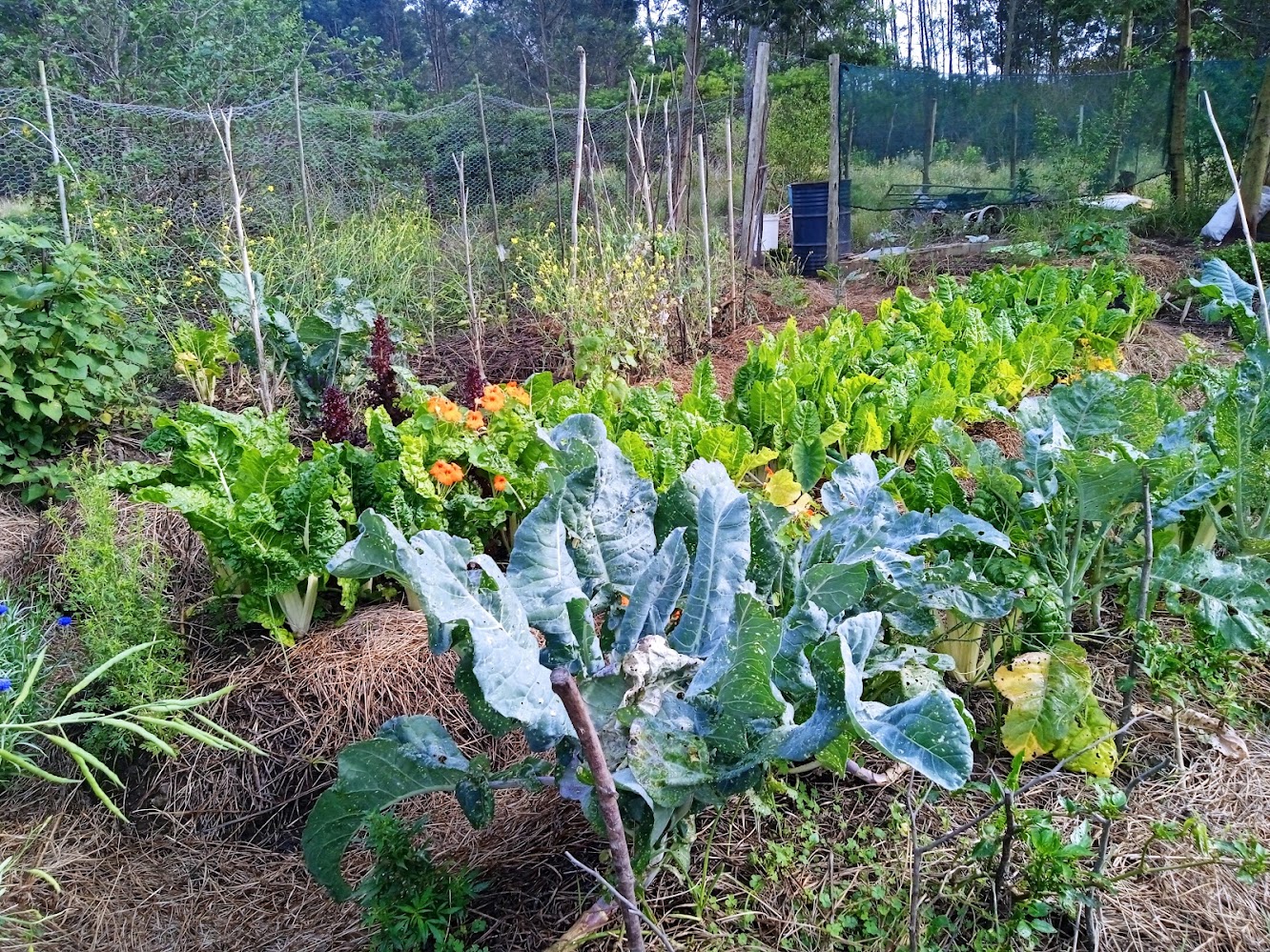
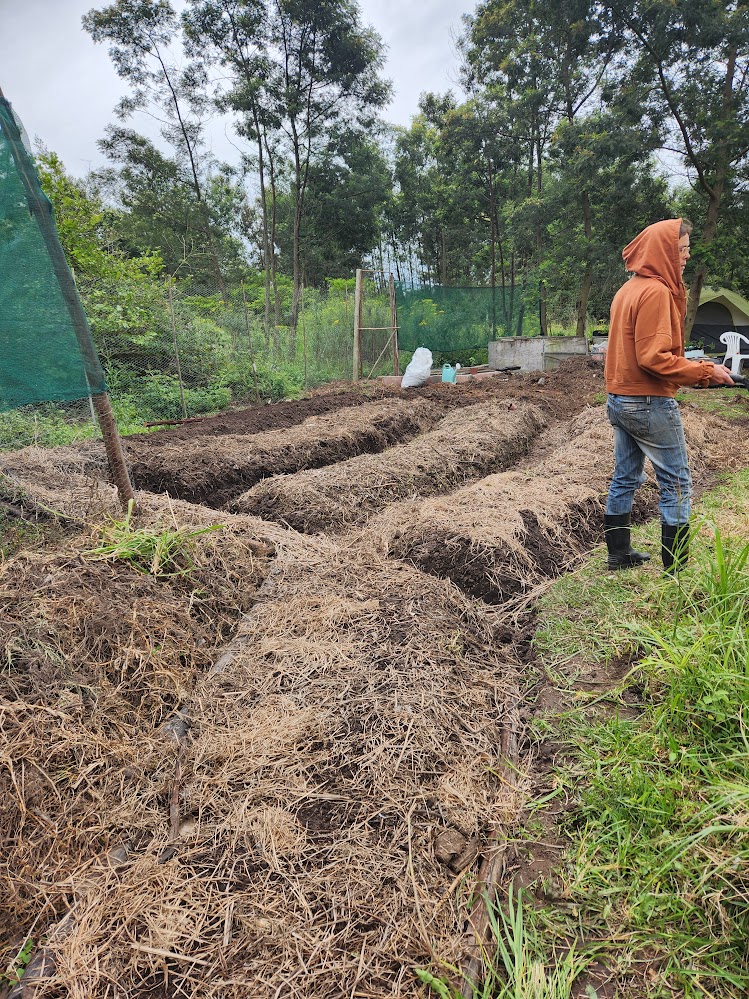
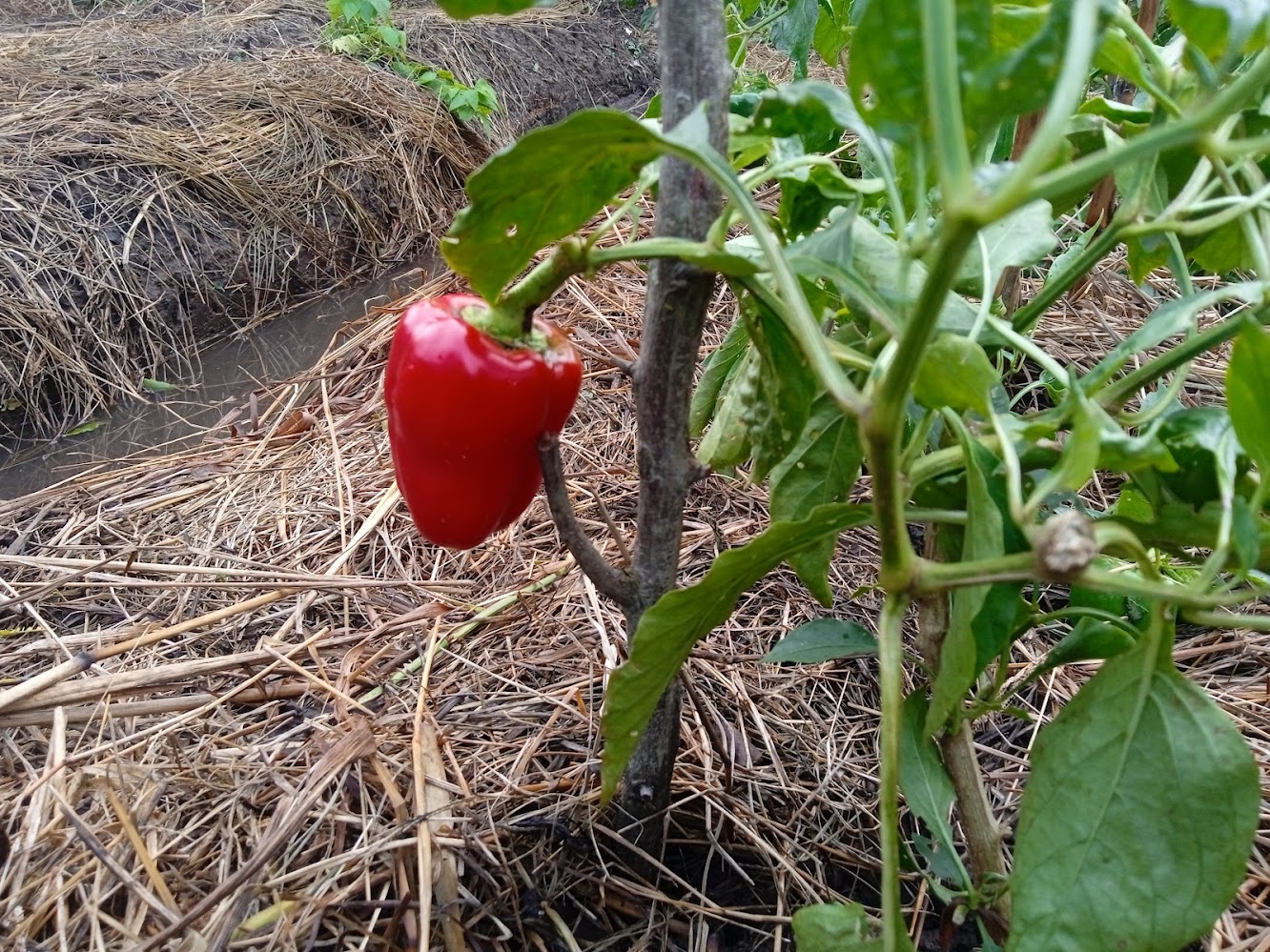
Mulch—whether it’s shredded bark, straw, leaf mold, or grass clippings—acts as a protective blanket for your garden beds.
Moisture Retention: Mulch acts as a physical barrier that drastically slows down evaporation. You’ll spend significantly less time watering during dry summer spells.
Weed Suppression: Most weed seeds need sunlight to germinate. A 2-to-3-inch layer of mulch blocks out the light, keeping weed pressure to a minimum without the need for back-breaking weeding.
Temperature Regulation: Just like a good blanket, mulch keeps soil cooler on scorching summer afternoons and insulates plant roots against sudden autumn frosts.
Preventing Erosion: Heavy downpours can compact soil and wash away top nutrients. Mulch cushions the blow of falling raindrops, keeping the soil structure intact.
(Editor's note: Insert a photo from the KJARC album highlighting a freshly mulched garden bed retaining moisture under the sun here.)
3. The Dream Team: How They Work Together
Compost and mulch are most powerful when used as a team. Think of compost as the foundation and food (applied directly onto or mixed into the top layer of soil) and mulch as the roof and armor (layered right on top of the compost).
By layering compost first and capping it with mulch, you lock in moisture, protect those delicate beneficial microbes from the harsh UV rays of the sun, and give your garden a clean, professional aesthetic. Over time, organic mulches will slowly decompose from the bottom up, eventually turning into compost themselves and continuously renewing the soil.
Cultivate from the Ground Up
Building a resilient, high-yielding garden doesn't happen overnight, but shifting your focus from feeding plants to nurturing soil changes everything. By embracing the simple habits of composting and mulching, you’ll unlock healthier plants, fewer weeds, and a vibrant garden ecosystem that thrives year after year.