Drought in 2026 and water infrastructure
The Eastern Cape in South Africa experiences diverse rainfall patterns due to its varied topography, ranging from coastal areas to inland plateaus. The province receives an average annual rainfall of approximately 520 mm, though this varies significantly across regions.
Coastal areas, such as Gqeberha (Nelson Mandela Bay Municipality) and Buffalo City Municipality, typically receive 560–650 mm annually, with rainfall distributed fairly evenly throughout the year, peaking in November and December. In contrast, inland and drier regions, like Nqweba Camp Site and Aliwal North, receive less than 400 mm annually, with some areas classified as semi-arid (BSk climate).
Rainfall is primarily driven by summer thunderstorms (October–March) and orographic lift in mountainous regions like the Amatola and Drakensberg Mountains, where rainfall can exceed 1,700 mm annually. However, interannual variability is high, with recent decades showing a significant decreasing trend in spring rainfall (September–November) and increasing dry periods, contributing to prolonged droughts and water shortages, particularly in urban areas like Nelson Mandela Bay.
Rainfall patterns of the Eastern Cape
Coastal zones: Steady, moderate rainfall (560–650 mm/year), with November being the wettest month.
Inland/plateau areas: Lower rainfall (350–500 mm/year), drier and hotter.
Mountainous regions: High rainfall (up to 1,700 mm/year) due to orographic effects.
Valleys (e.g., Sundays River Valley): Very low rainfall (e.g., Addo: ~390 mm/year) due to high evaporation and transpiration.
The Eastern Cape’s climate is influenced by both midlatitude systems and tropical weather patterns, leading to complex and sometimes unpredictable rainfall trends.
Despite a La Niña pattern, the south-western regions of the Eastern Cape have received minimal summer rainfall since early 2026. This has resulted in water scarcity affecting many towns, including Graaff-Reinet, Adelaide, and Butterworth, face severe shortages. In Adelaide, a dam dropped to just 1% capacity in previous years due to drought, and inadequate contingency plans have left communities vulnerable.
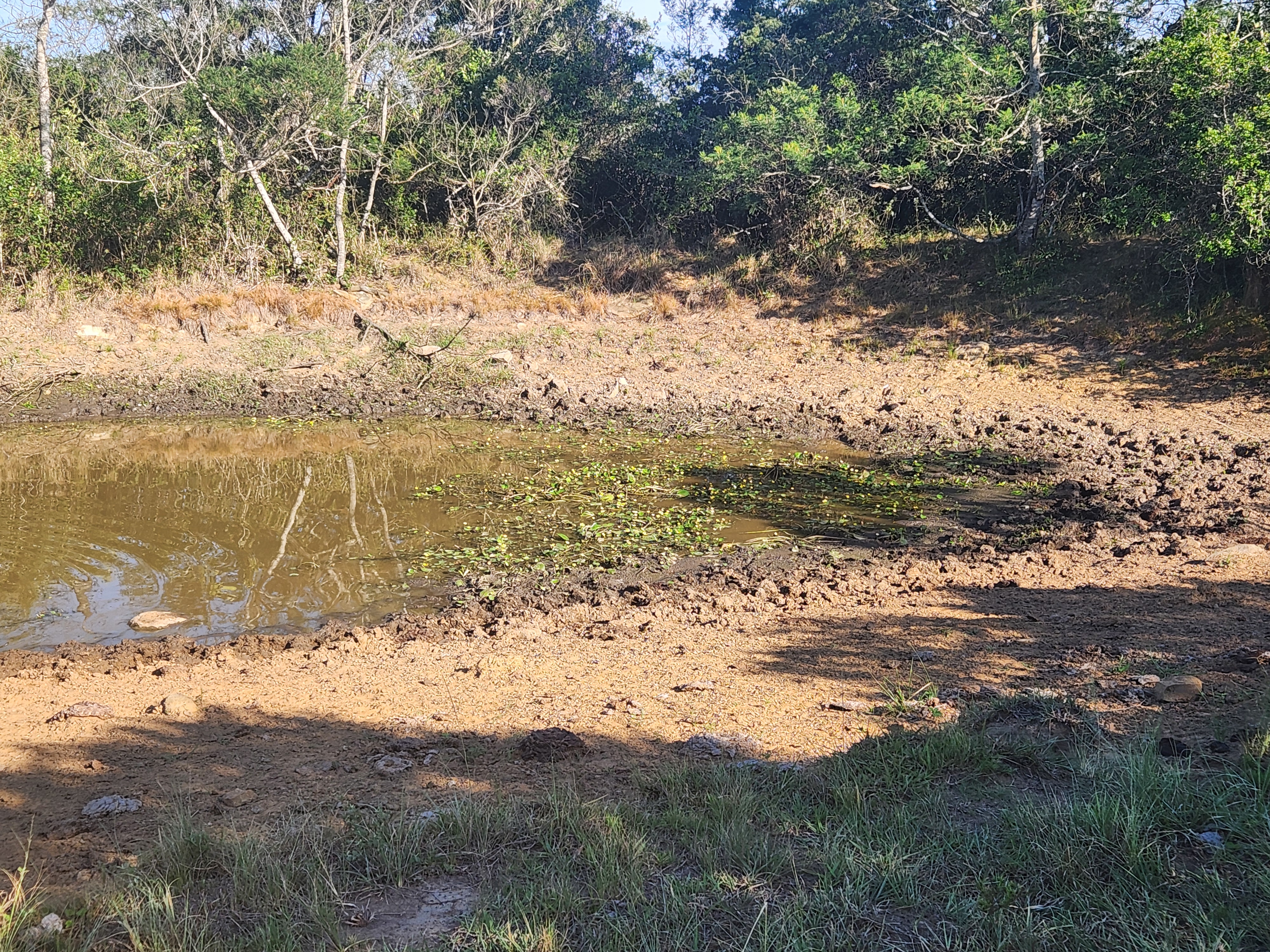
Drought stress severely affects vegetable crops by reducing photosynthetic efficiency, causing leaf senescence, stunted growth, and yield losses. Crops such as tomatoes, peppers, cabbage, and Chinese cabbage are particularly sensitive, with water deficits during key growth stages—like early development, flowering, and fruit formation—leading to irreversible damage. Prolonged drought reduces soil moisture, increases plant stress, and triggers oxidative damage through reactive oxygen species (ROS), despite the activation of antioxidant defenses.
Subsitence and small farmers in the Eastern Cape are especially vulnerable, as their livelihoods depend heavily on rain-fed agriculture and are often compounded by financial instability, limited access to irrigation, and poor infrastructure. There are also water mafias who have sabotaged infrastructure to profit from the demand for water tanker delivery.
Following the very poor rainfall at the end of 2025 and start of 2026 there are projections of climate risks, including drought, which may reduce yields and disrupt supply chains, increasing food unaffordability and hunger. Combined with diseases like Foot and Mouth Disease, maladministration and crime, amplify the challenges for small rural farmers who lack alternative income sources.
The drought has caused an agricultural crisis crippling farmers. Over 1,440 commercial, 8,700 smallholder, and 55,000 subsistence farmers are affected. Livestock losses are significant, with 55,000 cattle, 180,000 sheep, and 72,000 goats lost in recent months. Feed shortages are expected to cost at least R30 million daily to prevent further losses.
The Kouga and Impofu dams—key water sources—have reached their lowest levels since 1985. The South African Weather Service forecasts below-normal rainfall and above-normal temperatures through autumn, worsening water loss.
In towns like Bedford and Kei Mouth, reservoirs have effectively hit zero capacity, sparking fears of a drought rivaling the devastating conditions of 2021. In Kei Mouth the Cwili Dam is depleted, leaving only enough water for local livestock. Residents have been told that without significant rainfall, the situation is beyond human control. At Bedford the farming community is bracing for a potential "Day Zero," reminiscent of the severe water collapse they experienced a decade ago. In the Amathole District, officials report that dam levels across the entire municipality are dropping rapidly, signaling a broader regional emergency.
In response to perceived municipal shortcomings, residents have taken matters into their own hands, local citizens have formed groups to manage the emergency independently. There are urgent calls for town and township residents to bridge divides and co-manage the remaining tap water. Water preservation cannot be left solely to officials; it is a collective duty.
The Amathole District Municipality has issued a stark warning: use water sparingly now, or face an even harsher crisis in the coming months. Beyond the lack of rain, authorities admit that the drought is only one of several systemic "water woes" currently plaguing the infrastructure.
The rain holds the hopes of so many and as I type we have yet to see the kind of rain we need to refill our dams.